Creative Ways to Mark the Jamaican Food Centennial
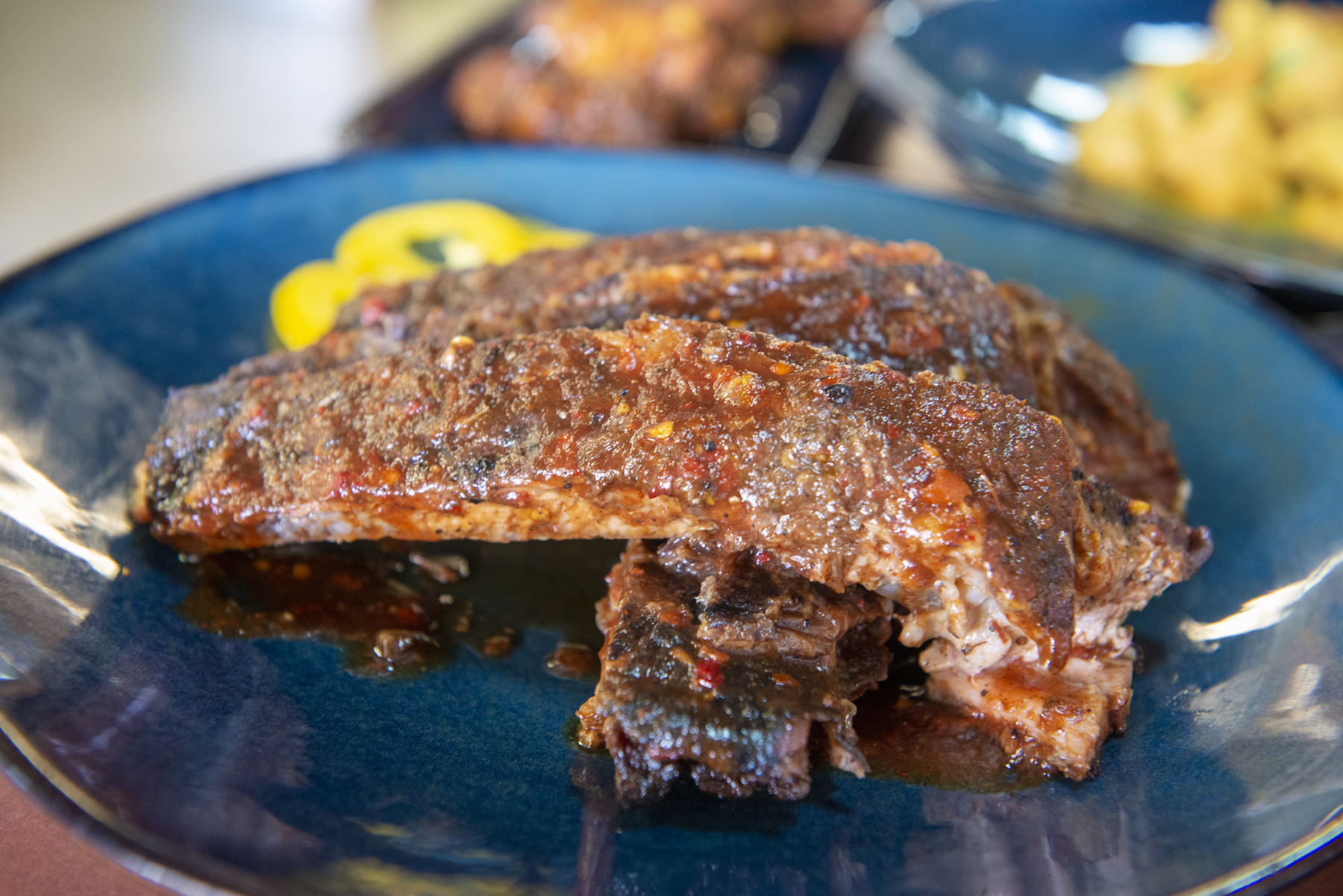
A centennial asks for more than a themed flyer, a buffet line, and a few steel pan tracks in the background. One hundred years carries weight. It suggests memory, migration, adaptation, and the quiet persistence of recipes that survived not because they were written down, but because somebody stood over a pot and said, “Not yet, give it five more minutes.”
That is what makes a jamaican food centennial worth treating with care. Food is one of the clearest ways communities remember themselves. In Jamaican cooking, that memory lives in smoky pimento, slow-cooked oxtail, the clean heat of Scotch bonnet, cassava in different forms, pepperpot, escovitch, roast breadfruit, and patties that travel easily from corner shop to formal reception. It also lives in technique. The timing of coconut milk in rundown. The patience required for a good curry goat. The instinct to balance acid, salt, sweetness, and heat without measuring spoons.
If you are planning a centennial celebration tied to Jamaican food, the strongest approach is not simply to “serve Jamaican dishes.” It is to design an experience that respects where the food came from, how it changed over time, and who carried it forward. The most memorable events do this by combining scholarship with appetite, ceremony with warmth, and heritage with a bit of play.
Start with a point of view, not just a menu
The easiest mistake in heritage food events is trying to include everything. The result is often a crowded spread with no story behind it. A better event begins with a point of view.
Ask what exactly the centennial is marking. Is it one hundred years of a family business? A church auxiliary known for its annual Jamaican meals? A community association founded by Jamaican migrants? A neighborhood festival? The answer matters, because the celebration should reflect that particular history rather than an abstract idea of “Caribbean food.”
If the centennial belongs to a family-run bakery, then hard dough bread, bun and cheese, gizzada, grater cake, and spice bun deserve center stage. If it belongs to a social club established by migrants in the mid-20th century, then the food should reflect both home and resettlement, perhaps with classic Jamaican dishes alongside the adaptations that emerged abroad. If the milestone is broader and symbolic, focused on Jamaican food heritage itself, then the event can be built around eras, regions, and culinary influences.
This is where many good ideas either become coherent or collapse. A celebration with a clear lens feels intentional. Guests sense that someone thought carefully about why this dish is here, why that song is playing, why a grandmother’s enamel pot sits beside a modern induction station. Without that lens, the event may still be enjoyable, but it will not feel like a centennial. It will feel like catering.
Build the celebration around time
One of the most effective ways to honor a jamaican food centennial is to let time shape the event. Not just historical time, but culinary time.
A hundred-year program can unfold in decades. You might create a progression that starts with older rural staples and moves toward urban street food and diaspora favorites. Another approach is to mark the evolution of a single ingredient. Coconut, for example, can appear in drops, rice and peas, rundown, toto, and festive drinks. Breadfruit can move from roasted halves to chips to mash, showing how one ingredient has crossed social settings and generations.
Guests respond well when food tells them where they are in the story. A menu card that reads “1940s church fundraiser table” or “1970s street corner lunch” does more than label a tray. It offers context. It gives elders something to recognize and younger guests something to ask about.
I have seen this work beautifully in community halls where budget was modest but imagination was strong. One event used old market photographs, handwritten recipe cards, and enamel kitchen tools as markers between food stations. The dishes themselves were familiar, but the framing changed everything. People stayed longer. They talked more. They brought their own memories into the room. The food became a prompt, not just a plate.
Let elders teach in real time
If the event includes only service and no transmission, something essential gets lost. A centennial should create space for knowledge to move from one set of hands to another.
That does not require a formal cooking school setup. In fact, it often works better when it feels conversational. An elder shaping festival dough at a side table can draw a crowd faster than a polished demonstration stage. The same goes for someone grating coconut, peeling green bananas, explaining the difference between a quick jerk marinade and a properly seasoned overnight version, or talking through the texture cues for a good cornmeal porridge.
The key is to honor expertise without turning people into props. Seat them comfortably. Give them a microphone if the room is large. Brief moderators to ask short, useful questions instead of delivering speeches over them. If a cook says, “My mother never used that much thyme,” let that comment breathe. Those small disagreements are part of living food history. They reveal that tradition is not rigid. It is argued, adjusted, and defended.
This kind of live transmission is especially valuable when younger guests know the finished dishes but not the labor behind them. Ackee and saltfish looks effortless once plated. It is not effortless when you consider the prep, the timing, and the instinct needed to keep the ackee intact. The same is true of callaloo, mannish water, and proper sorrel. Demonstration brings respect back into the room.
Create a menu that includes humble dishes, not just famous ones
There is a tendency to fill Jamaican heritage events with the most internationally recognized foods. Jerk chicken, curry goat, patties, rum cake. Those dishes belong there, certainly. But a centennial deserves a wider frame.
Some of the deepest affection in Jamaican food culture is attached to modest dishes and everyday combinations. Boiled green banana with saltfish. Fried dumpling with mackerel rundown. Pumpkin soup on a Saturday. Roast yam sold by the roadside. Tin mackerel prepared with enough care to feel luxurious. These foods carry real emotional charge because they speak to daily life, not performance.
A balanced centennial menu should include both celebratory dishes and the foods people grew up eating when no one was trying to impress anybody. That contrast is powerful. It tells a truer story about resilience and taste. It also tends to spark the best conversations. People may compliment the jerk station, but they linger over the dish that reminds them of a grandparent.
There is practical wisdom here too. Humble dishes often stretch budgets and improve flow. A spread that mixes premium proteins with starches, soups, and vegetable-based sides is easier to execute well than one overloaded with high-cost meats. A large event can be memorable without trying to serve every luxury item at once.
Recreate a Jamaican market table
One creative move that works in both formal and casual settings is to build part of the event around the feeling of a market, rather than a banquet. The market is one of the great theaters of food culture. It carries color, persuasion, abundance, and social rhythm.
A Jamaican-inspired market table might feature whole scotch bonnet peppers, cho cho, yams, callaloo, ginger, coconuts, plantains in several stages of ripeness, breadfruit, cassava, sorrel, thyme, scallion, and pimento berries. Around those ingredients, you can place small prepared tastes or explanation cards that show what each ingredient becomes in the kitchen. The display should feel grounded, not overstyled. Woven baskets, wooden crates, and practical serving ware often communicate more authenticity than expensive décor.
This kind of installation does several jobs at once. It gives photographers something substantial to capture. It educates guests who know the cooked dishes but not the raw ingredients. It also offers non-verbal storytelling, which matters at large events where not everyone will hear every speech or read every program note.
Done well, a market table can become the intellectual center of the celebration. People gather there, point things out, argue gently about names, and tell stories about how their family cooked one item versus another. That is exactly the kind of exchange a centennial should invite.
Pair food with oral history, not just entertainment
Music is important at Jamaican events, but if entertainment is all performance and no testimony, the celebration can drift into nostalgia without depth. One of the strongest additions to a centennial program is oral history.
This can be as simple as short recorded clips played between courses, or as structured as a moderated conversation with cooks, business owners, farmers, market vendors, and elders from the community. Ask them what food was reserved for Christmas, what was sold at school gates, what changed after migration, what they miss, what improved, and what younger cooks are getting right today.
The aim is not to produce polished speeches. It is to catch the texture of memory. Someone describing the smell of pimento wood on a Sunday can do more for the room than ten generic remarks about culture. A former shop owner explaining which items sold first on a rainy day brings food history to life in a way no display board can.
There is another benefit. Oral history protects against flattening Jamaican cuisine into a single style. Rural and urban experiences differ. Class matters. Religion matters. Migration matters. Coast and inland traditions are not identical. The island’s culinary history has African, Indigenous, European, Indian, Chinese, and Middle Eastern influences, among others, and the diaspora has added even more layers. Letting people speak from their own experience helps guests feel that complexity without turning the event into a lecture.
Design a tasting that invites comparison
Tastings are common, but comparison tastings are often more revealing. Instead of presenting ten unrelated small bites, build a structured sequence around one idea.
You might compare jerk cooked in two styles, one closer to a traditional smoky preparation and one adapted for urban or indoor service. You might present patties with different crust styles and fillings, showing how texture changes the whole experience. You could explore the role of coconut across sweet and savory dishes, or compare festival from different cooks to illustrate how slight differences in sugar, flour blend, or frying temperature shape the result.
Comparison encourages attention. Guests stop inhaling food and start noticing it. The event becomes participatory without forcing anyone into games or gimmicks. This matters because people remember what they discover for themselves. Telling guests that Jamaican cuisine is diverse is one thing. Letting them taste variation directly is much better.
A word of caution from experience: keep portions disciplined and sequences short. The moment a tasting becomes a meal disguised as education, service slows and the room loses energy. Three or four carefully chosen comparisons usually land better than eight rushed samples.
Make room for children and first-time eaters
Centennials can easily become events for the already initiated. That is a missed opportunity. If the aim is to honor a hundred years, the celebration should welcome the people who may carry the next hundred.
Children do not need a dumbed-down version of heritage food. They need thoughtful access. Smaller portions, clear labels for spice levels, and familiar entry points help. A child who hesitates at pepper shrimp may happily try coco bread, fried plantain, or a bite of pumpkin soup. From there, confidence grows.
The same applies to guests who are entirely new to Jamaican cooking. A good centennial event should not make them feel as if they are interrupting a family reunion. Small interpretive notes, warm service, and a menu with a jamaican food centennial few explanatory cues can make the experience generous rather than closed. Hospitality is part of heritage too.
One smart approach is to include a staffed tasting corner where guests can ask questions without holding up a main service line. The staff there should know the food well enough to explain texture, spice, and ingredients with precision. “Spicy” is not precise. “Warm at first, then hotter at the back of the throat because of Scotch bonnet” is useful. “Saltfish is cod that has been cured and then prepared with onions, tomato, scallion, and herbs” is useful. Good explanation invites trust.
Use objects and scent to deepen the experience
Food events often overinvest in visuals and neglect every other sense. With Jamaican cuisine, scent is one of the most powerful memory triggers available.
If the venue allows it, live finishing can be transformative. The aroma of allspice smoke, onions hitting oil, grated nutmeg over a dessert, or fresh thyme bruised into a broth can shift the entire mood of a room. Even guests who arrive distracted tend to orient themselves once the air tells them they are somewhere specific.
Objects matter too, especially when they are real rather than decorative. A cast-iron dutchie, a coal pot, old biscuit tins, market baskets, stoneware bottles, and handwritten household recipe notebooks carry authority. They should be displayed respectfully, not cluttered into a faux-rustic collage. Fewer objects, each with a story, will do more than a crowded styling exercise.
This is especially effective when paired with personal labels. Not “vintage pot,” but “used for Saturday soup in one family for over forty years.” Once an object has a human anchor, guests engage with it differently.
Commission one dish or installation for the milestone
Anniversary events often benefit from a signature element, something created specifically for that moment. For a jamaican food centennial, that could be a commemorative dish, a collaborative dessert, or an edible installation built around memory.
The best commissioned pieces are rooted in tradition but not trapped by it. A pastry chef might reinterpret duckunoo flavors in a plated dessert while keeping the spice profile recognizable. A savory chef might build a tasting around breadfruit in several textures. A beverage team could create a nonalcoholic drink that layers sorrel, ginger, lime, and bitters-inspired aromatics in a way that feels celebratory without becoming gimmicky.
The point is not novelty for its own sake. It is to mark the centennial as a specific moment in the food’s ongoing life. Heritage cooking is jamaican food centennial not a museum exhibit. It continues to evolve. A commissioned piece can express that evolution, especially if the creator explains the choices and acknowledges the source traditions.
Consider the trade-offs between authenticity and logistics honestly
Every serious food event runs into this tension. Guests want authenticity. Venues want speed, safety, and consistency. The right answer is rarely pure.
Jerk is the classic example. True pimento wood smoke and the open-air conditions associated with traditional jerk are difficult to reproduce in many venues, especially indoors or in dense urban settings with fire restrictions. Rather than pretending otherwise, a well-run centennial handles this with honesty. If the cooking method is adapted, say so. Then focus on doing the adapted version extremely well. Proper seasoning, thoughtful smoke integration, and skilled holding can still produce excellent food.
The same principle applies to ackee sourcing, seafood quality, soup service, and dishes that do not hold well over long periods. Some foods shine at scale. Others suffer. A centennial menu should respect that reality instead of stretching beloved dishes past their best form. There is more dignity in serving a slightly narrower menu beautifully than a sprawling one poorly.
Guests notice judgment. They may not know why one event feels graceful and another feels stressed, but they can feel the difference between thoughtful limitation and overreach.
Give people something to carry home besides leftovers
The finest heritage food events continue after the last plate is cleared. A centennial is an ideal moment to create keepsakes that are useful rather than disposable.
That might mean a small recipe booklet with context notes, not just ingredient lists. It might mean printed oral history excerpts, a timeline of a family business, or a card explaining how to build a proper Jamaican breakfast at home. Even a packet of spice blend can be meaningful if it is labeled clearly and connected to a story.
These takeaways do more than extend the brand of the event. They help people practice memory. A guest who cooks one dish a month from a centennial booklet participates in the legacy in a tangible way. That is far more lasting than a souvenir cup.
If budget is tight, do not force expensive favors. A well-designed one-page handout with a recipe, a short anecdote, and a few ingredient notes can be enough. Thought travels farther than merchandise.
The celebration works best when it feels lived, not staged
The strongest centennial events never feel like they were assembled only for an audience. They feel inhabited. The room holds evidence that people actually cooked, argued, adapted, preserved, and celebrated through these foods over time.
That is why the most creative ways to mark a Jamaican food centennial are rarely the flashiest. They tend to be the ones that trust texture over spectacle. A grandmother correcting the seasoning story from the front row. A market table that triggers three generations of debate over ripeness. A soup station that smells right before anyone even tastes it. A menu that makes room for roadside memory alongside formal celebration. A young guest trying callaloo without being pressured, then going back for more.
Food heritage deserves imagination, but it also demands discipline. The imagination brings guests in. The discipline keeps the tribute honest.
When you get both right, the centennial becomes more than an anniversary dinner. It becomes a living archive you can taste.
Reggae Pot Jamaican Grill
Address: 7562 S University Blvd C, Centennial, CO 80122
Phone number: +13039975623
FAQ About Jamaican Food Centennial
What is typical Jamaican food?
Typical Jamaican food features bold, vibrant flavors created by blending African, Taino, European, and Asian influences.
What is a famous Jamaican dish?
The most famous Jamaican dish is Ackee and Saltfish, which is the national dish of Jamaica.
What are the top 10 foods to eat in Jamaica?
AI Overview The top 10 traditional foods to eat in Jamaica are bold, flavorful dishes that mix local ingredients with global influences.