Jamaican Food Centennial and the Rich History of Island Ingredients
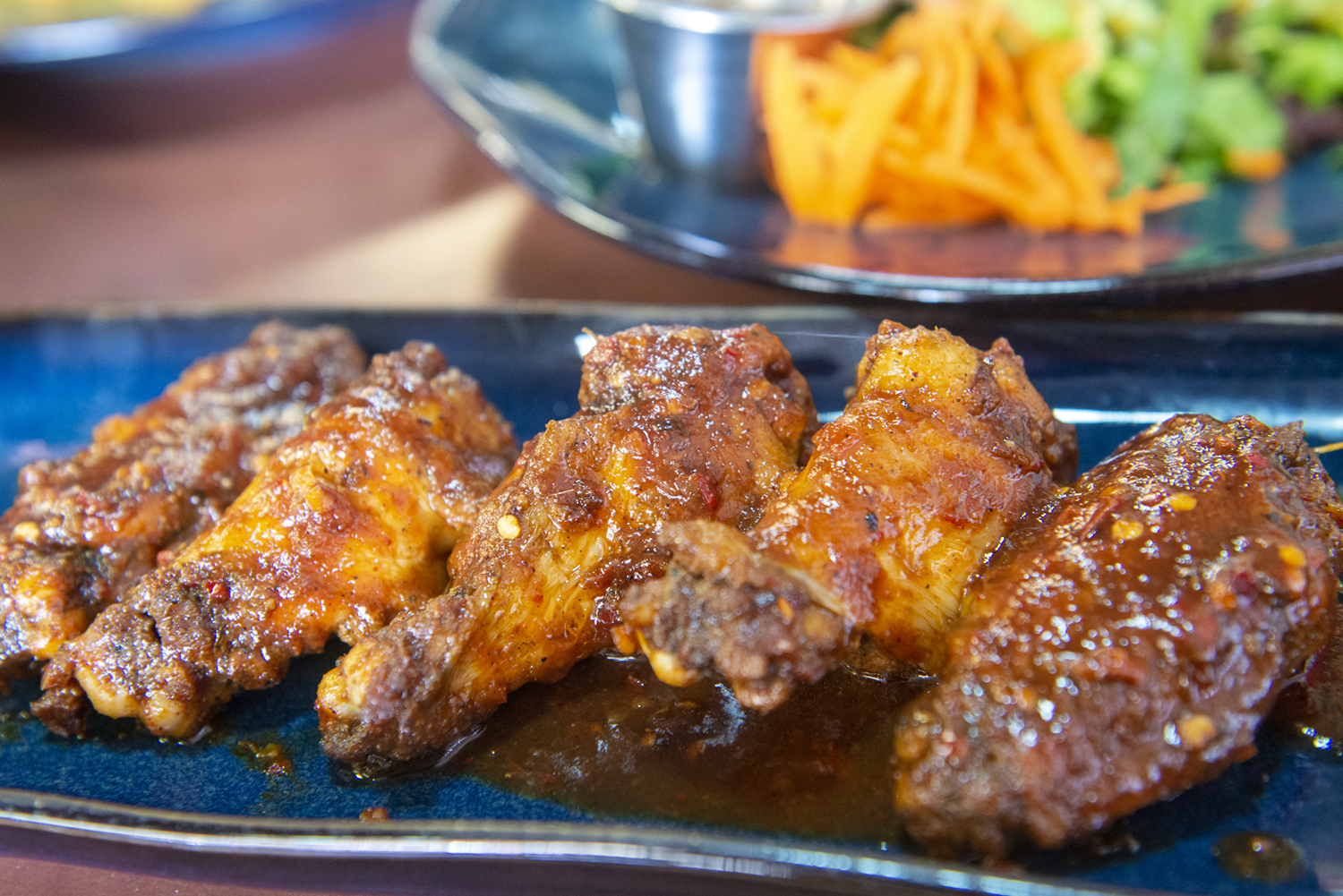
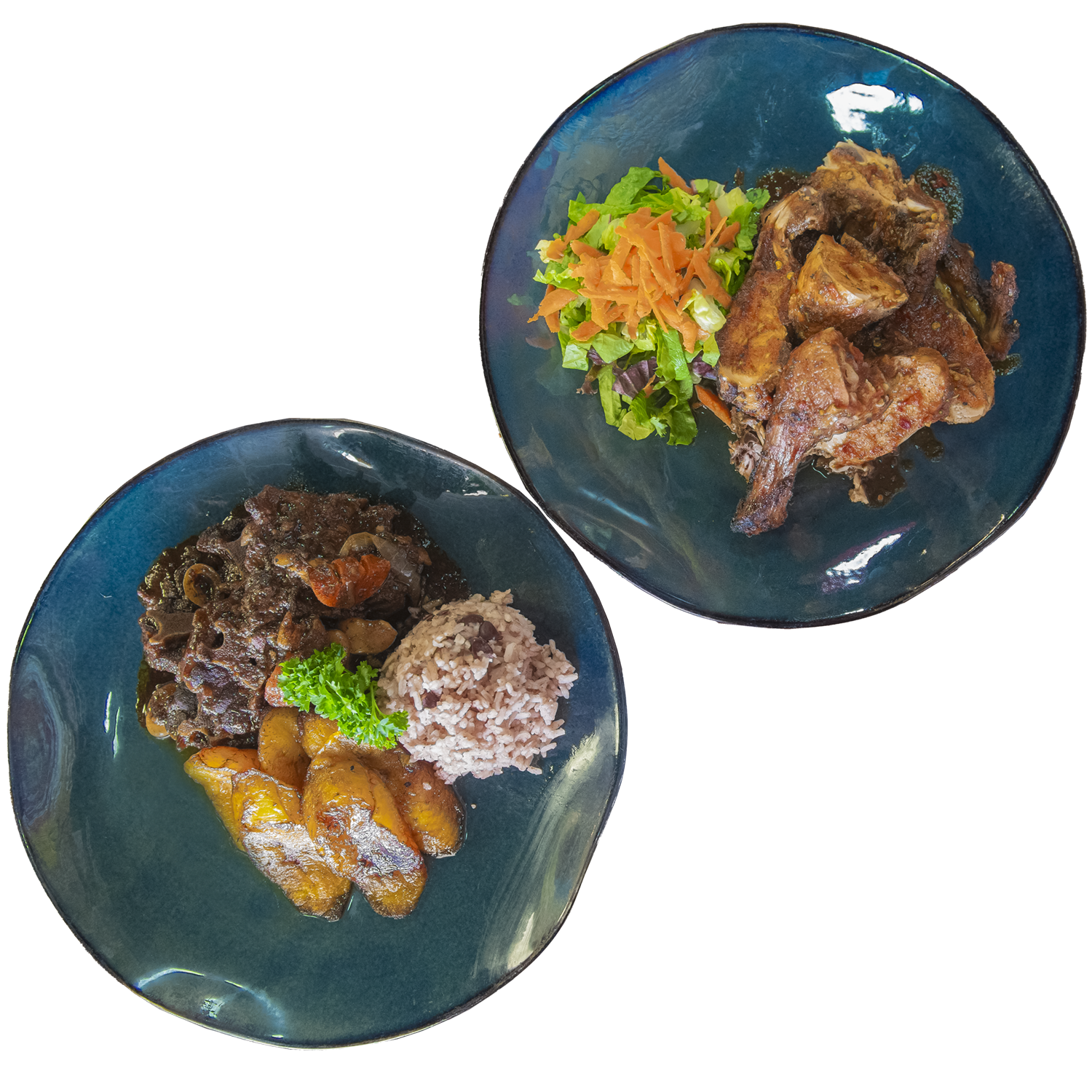
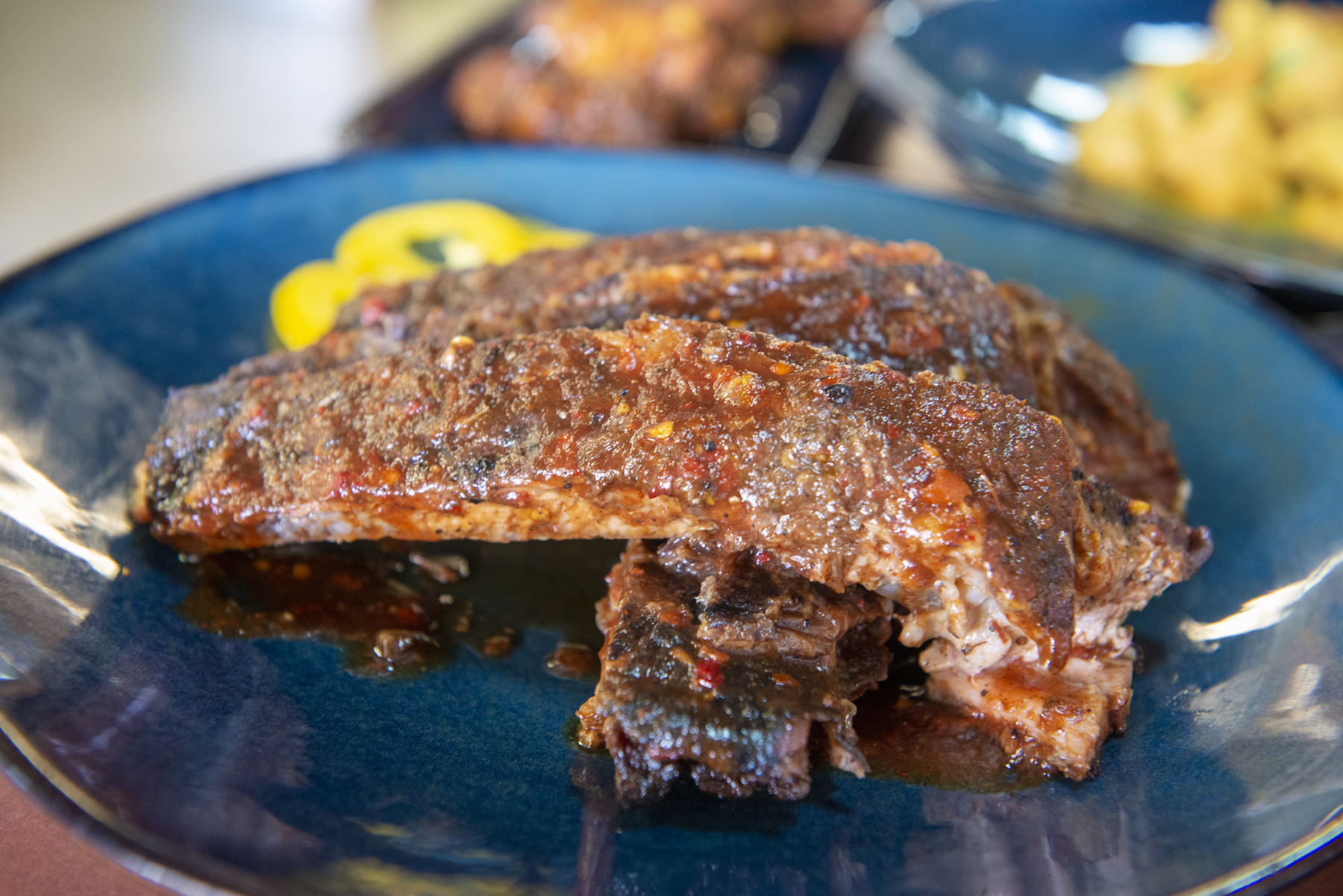
A hundred years is a useful span for thinking about Jamaican food. It is long enough to show change, migration, scarcity, innovation, and pride. It is short enough that the memory still lives in kitchens, market stalls, rum shops, church halls, and family stories. When people speak of a jamaican food centennial, they are really speaking about more than a milestone. They are speaking about how a cuisine holds together while the island itself keeps moving through colonial rule, independence, tourism, migration, climate pressure, and modern taste.
Jamaican cooking has never been static. It is layered, adaptive, and deeply local. African foodways, Indigenous knowledge, Spanish and British colonial influence, Indian indentured labor traditions, Chinese migration, Syrian and Lebanese merchant networks, and the practical reality of growing food on a tropical island all shaped what lands on the plate. The result is not a museum cuisine. It is alive. It is forceful. It knows how to make abundance out of modest means and celebration out of everyday staples.
What makes the story especially rich is that the ingredients themselves carry history. Ackee, breadfruit, cassava, callaloo, pimento, Scotch bonnet, yam, sorrel, coconut, plantain, and saltfish are not just components in a recipe. They are markers of movement and survival. Some were imported and naturalized. Some predate colonization. Some became central because they traveled well, cured well, or could withstand hard seasons. Others became symbols of national identity because ordinary cooks found extraordinary ways to use them.
A cuisine built by crossings
If you spend time in Jamaica beyond the resort corridor, the first thing you notice about food is how tied it is to place. Coastal cooking differs from upland cooking. Rural provisions differ from urban convenience foods. A breakfast in St. Elizabeth may lean hard into boiled green banana, yam, dumpling, and callaloo. A Kingston lunch may pivot to patties, box food, and a cold drink grabbed on the move. Yet the through line remains strong: seasoning matters, texture matters, and no ingredient is ever treated casually.
The island’s Indigenous Taíno people left lasting marks, especially through cassava techniques and the use of barbecue style cooking methods that would later evolve and travel. The colonial period brought brutal plantation economies, but it also brought the forced and voluntary movement of people whose culinary knowledge survived despite hardship. Enslaved Africans transformed what was available, preserving methods of one pot cooking, seasoning, ground provision use, stewing, roasting, and communal eating. Later, Indian arrivals widened the island’s spice habits and savory snack culture. Chinese Jamaicans shaped retail foodways and contributed to the everyday fusion now taken for granted in many towns.
That is why Jamaican food resists simplistic labels. It is not just “spicy Caribbean food,” which is how outsiders often flatten it. A proper reading of the cuisine shows disciplined balance. Heat from Scotch bonnet is almost never there for shock alone. It works with sweetness, smoke, allium depth, fresh thyme, pimento, and acidity. Likewise, starches are not filler. Yam, coco, cassava, green banana, and breadfruit create structure, sustain labor, and anchor the meal.
The island pantry over a century
Looking back across the last hundred years, the pantry tells its own story. In the early twentieth century, many Jamaican households depended on what could be grown close by or bought fresh from local markets. Refrigeration was limited. Imported goods existed, but they were neither as affordable nor as routine as they would later become. Salted and cured ingredients mattered because they could endure transport and storage. That is one reason saltfish took such a secure hold.
Ackee and saltfish is now treated as a national dish, and rightly so, but its genius lies in its practicality as much as its flavor. Ackee, originally from West Africa, found a natural home in Jamaica. Salt cod, preserved and shipped through Atlantic trade networks, was accessible in ways fresh fish often was not for inland households. Together, they make sense historically. The soft, buttery ackee cushions the salty flakes of fish. Onion, tomato, scallion, thyme, and pepper bring brightness and aroma. It tastes inevitable now, but it emerged from history’s rough edges.
Breadfruit tells a different story. Introduced to the Caribbean in the late eighteenth century, famously associated with colonial schemes to feed enslaved labor cheaply, it later became cherished on Jamaican terms. Roasted over open flame until the skin chars, split open while still steaming, and eaten with ackee, rundown, or fried fish, breadfruit no longer carries only the intentions of those who introduced it. It carries the island’s reclamation of it. Few foods make that point so powerfully.
Then there is pimento, known abroad as allspice. Jamaica’s pimento is one of the island’s signature contributions to world flavor. It is indispensable in jerk, but it also turns up in stews, pickles, baked goods, and seasonal drinks. The dried berries deliver clove, cinnamon, nutmeg, and pepper notes in one ingredient, which partly explains why Jamaican food often tastes complex even when the ingredient list is not long.
Jerk is technique before it is branding
Outside Jamaica, jerk is often treated as a flavor category. On the island, and among cooks who respect the tradition, jerk is first a method and a culture. It is tied to the Maroons, descendants of Africans who escaped slavery and formed resilient mountain communities. Their cooking methods reflected both survival and skill. Meat was seasoned assertively, smoked slowly, and cooked in ways that managed visibility, preserved flavor, and worked with what the land offered.
Today, jerk chicken is global, but the old logic still matters. Proper jerk is not simply chicken painted with a sweet bottled sauce. It depends on fresh seasoning, pimento wood smoke where possible, measured heat, and enough time for the marinade to penetrate. The best jerk has contrast. The outside should be dark, fragrant, and slightly crisp at the edges. The inside should stay juicy. The heat arrives in stages, not as a blunt attack. The smoke lingers longer than the pepper.
Pork remains important too, especially in traditional jerk settings. In some roadside spots, you can still taste the difference between a grill built for throughput and a pit run by someone who understands restraint. The latter knows that smoke can dominate if handled poorly. They know pepper heat dulls if it sits too long without fresh aromatics. They know the meat must rest. That sort of judgment rarely appears in glossy descriptions of Caribbean cuisine, but it is where the real craft lives.
Ground provisions, the quiet backbone
If one were to identify the least glamorous yet most essential category in Jamaican food history, it would be ground provisions. Yam, sweet potato, cassava, coco, dasheen, and green banana have fed households through ordinary weeks and difficult years alike. They appear at breakfast, at supper, in soups, and at festive tables. They sustain labor and stretch budgets. They are also delicious when treated properly.
Yam deserves special respect. Jamaica grows several prized varieties, and good yam has character, not just heft. It can be earthy, slightly sweet, dry enough to take sauce well, or creamy enough to eat nearly plain. Boiled yam with ackee and saltfish remains one of the most complete breakfasts anywhere in the Caribbean. It satisfies without heaviness if cooked well. Overboil it and it turns dull. Undercook it and the texture fights you. Experienced cooks know that provisions demand attention just as much as proteins do.
Cassava has a longer history on the island than many better known dishes. It links modern Jamaica to Indigenous food knowledge through bammy, the cassava flatbread still served especially with fried fish and beachside meals. Good bammy has subtle sourness, a moist but structured crumb, and enough body to absorb escovitch vinegar or fish juices without collapsing. Commercial versions vary. The handmade ones, or those from producers who still honor the old methods, show why bammy endures.
Sea, river, and the taste of salt
Jamaica is an island, but its fish traditions are often described too loosely. The seafood repertoire changes by coast, season, and budget. Sprat, snapper, parrotfish in earlier decades, mackerel, kingfish, doctor fish, and shellfish all play roles, though availability and regulation matter more now than they once did. Inland, saltfish and mackerel filled practical gaps. Along the coast, frying, steaming, escovitching, and rundown gave cooks flexible ways to work with the day’s catch.
Escovitch deserves more respect than it gets abroad. At its best, it is not merely fried fish topped with pickled vegetables. The fish must be crisp but not dry. The vinegar dressing must cut the oil without erasing the fish itself. Carrot, onion, Scotch bonnet, and pimento should stay lively. Too often, poor versions reduce escovitch to acidity and heat. Good escovitch tastes sharp, sweet, and almost floral from the spices.
Run down, or rundown, offers another side of the island palate. In this preparation, fish is simmered down in seasoned coconut milk until the sauce thickens and intensifies. It is a dish of patience and reduction. Coconut is a recurring engine in Jamaican cooking, and rundown shows how the island uses richness differently from cream based European traditions. Coconut milk can carry thyme, scallion, garlic, tomato, and pepper while retaining its own sweetness. With breadfruit or dumplings, the dish becomes deeply satisfying.
The market as archive
To understand the richness of island ingredients, it helps to walk a Jamaican market early in the morning. The order may look loose to a newcomer, but regular buyers know exactly how to read quality. Callaloo bunches must look fresh and springy. Scotch bonnets should feel firm and glossy, not soft or wrinkled. Yams are judged by heft and skin condition. Mango season changes the mood entirely. Breadfruit arrives according to weather and district. Sellers know who wants ripe plantain for frying and who wants green ones for boiling.
Markets also reveal how seasonality still matters, even in an age of supermarkets and imports. Sorrel appears around Christmas and is treated almost ceremonially. June plum, otaheite apple, naseberry, soursop, and star apple appear in patterns older Jamaicans can predict from memory. Tamarind, guinep, and cane still trigger very specific childhood recollections for many islanders and members of the diaspora. These are not luxury memories. They are part of how people learned the land through taste.
One older vendor in Clarendon once explained the difference between selling produce to locals and selling to visitors in a single sentence: locals buy for outcome, visitors buy for appearance. She was right. Experienced cooks do not choose ingredients only by beauty. They choose for ripeness, cooking purpose, and timing. A slightly scarred breadfruit may roast beautifully. A callaloo bunch that looks huge but fibrous is a poor bargain. That sort of ingredient judgment is a form of culinary literacy, and it is central to Jamaica’s food history.
Street food, migration, and modern appetite
A century of Jamaican food is also a story of speed and adaptation. Urban life changed how people eat. The patty became indispensable partly because it answers a practical need. It is portable, hot, filling, and relatively affordable. The flaky pastry shell, often tinted yellow with turmeric or curry powder, encloses a range of fillings from spiced beef to chicken, vegetables, and saltfish. Pair it with coco bread and you have one of the island’s great convenience meals, though nutritionists may have opinions about how often that should happen.
The patty itself reflects migration history and local ingenuity. You can see echoes of Cornish pastry traditions and South Asian spice habits, but the final result is unmistakably Jamaican. It is one of the clearest examples of the island’s habit of borrowing, blending, and sharpening flavors into something entirely its own.
Jamaican Chinese cooking tells another important part of the modern appetite story. Pepper steak, sweet and sour chicken, fried rice, and chow mein style noodles entered local rotation not as foreign novelties but as Jamaicanized staples. Seasoning shifted. Pepper use shifted. Portion expectations shifted. Similar adaptation happened with Indian influence through curry goat, curry chicken, and curried vegetables. Curry in Jamaica is not interchangeable with curry anywhere else. Local blends, pimento, fresh thyme, scallion, and Scotch bonnet change the profile decisively.
Migration carried these foods outward. London, Toronto, New York, Miami, and many smaller cities now host Jamaican bakeries, jerk centers, and family restaurants that serve as cultural anchors. The food changes a little with climate, ingredient access, and local customer preference. Some diaspora jerk skews sweeter. Some patties become less spicy. Some traditional produce is harder to source. Yet the emotional architecture of the cuisine holds.
Festival tables and everyday memory
Holiday and ceremonial foods reveal how Jamaican ingredients gather meaning over time. Christmas black cake, saturated with rum and wine, is not just dessert. It is an event. Sorrel drink, steeped with ginger and sweetened to house preference, announces the season as clearly as any decoration. Easter brings bun and cheese, one of the island’s great sweet savory pairings. Mannish water, goat head soup, and pepper pot soups carry their own social codes around gatherings and rural celebrations.
What matters here is not just nostalgia. These foods preserve ingredient relationships. Sorrel and ginger. Cassava and fish. Coconut and salt. Thyme and scallion. Pimento and smoke. Pepper and sweetness. Over a hundred years, such pairings become cultural reflexes. People may modernize techniques, shorten cooking times, or substitute ingredients, but they still reach instinctively for those combinations because they feel complete.
There are trade offs, of course. Some heritage foods are labor intensive. Younger cooks, especially in cities, may not have the time or space to prepare them often. Imported processed foods are convenient and aggressively marketed. Climate volatility affects crop yield and price. Fishing pressure and environmental change alter what is available. Even so, Jamaican food has shown unusual resilience because it has never depended on a single ingredient or jamaican food centennial rigid canon. It knows how to improvise without losing itself.
What the ingredients teach
When cooks talk seriously about Jamaican food, they usually end up talking about ingredients in terms that sound almost personal. Ackee must be respected because of how it is harvested and prepared safely. Scotch bonnet must be handled with judgment because its fruitiness is as important as its heat. Coconut can enrich or overpower depending on the dish. Callaloo can be elegant or muddy depending on how long it cooks. Pimento should perfume, not bully. These are not abstract rules. They are the result of repeated practice.
A few ingredient lessons come up again and again in Jamaican kitchens:
- Fresh thyme, scallion, onion, and garlic do more work than heavy bottled seasonings.
- Heat should support flavor, not flatten it.
- Ground provisions need as much care as the meat beside them.
- Smoke, char, and browning are central to depth.
- Salted ingredients must be balanced, not merely rinsed and forgotten.
That last point is easy to overlook. Saltfish, corned pork, and cured meats shaped many household meals because they were dependable, but their presence taught cooks how to build around salinity. Boiled starches, fresh vegetables, and bright seasoning are often part of that balancing act. The cuisine developed not just boldness, but control.
The next hundred years of Jamaican taste
Looking ahead, the future of Jamaican food will likely depend on how the island protects both biodiversity and culinary knowledge. Breadfruit is being rediscovered in new forms, including flour and contemporary restaurant dishes. Cassava has room to grow as a gluten free staple with deep local roots. Small farmers continue to matter, even as imported food pressures the domestic market. Chefs are revisiting old ingredients with modern technique, but the best of them do not confuse refinement with erasure.
There is room for innovation. There always has been. Jamaican cuisine became great precisely because it absorbed influence while keeping strong local logic. A thoughtful chef can serve escovitch with precision plating or make a refined sorrel reduction without betraying the tradition. What matters is whether the ingredient still tastes like itself and whether the cook understands the chain of memory behind it.
That is what gives the idea of a jamaican food centennial its real weight. A century is not merely a countdown to a commemorative menu. It is a reminder that food records what official histories often miss. It records labor. It records adaptation. It records who had little and still fed many. It records market intelligence, backyard growing, Sunday rituals, and the genius of seasoning by instinct rather than strict measurement.
Jamaican food remains one of the world’s most expressive island cuisines because it never separated flavor from history. The ingredients tell the truth if you jamaican food centennial listen closely. Breadfruit carries colonial baggage and local triumph. Ackee speaks to transatlantic movement and national belonging. Cassava keeps an Indigenous line alive. Pimento announces the island in a single aroma. Scotch bonnet insists that heat can be fragrant, fruity, and exacting. Together, they form a cuisine that has spent the last hundred years deepening rather than fading.
That is why the richest Jamaican meals still feel grounded, even when they are celebratory. They come from soil, sea, smoke, trade, memory, and hand skill. They honor what the island grows and what its people learned to do with it. And they remind anyone paying attention that great food is never just about taste. It is about what endured long enough to become tradition, and what remained flexible enough to keep feeding the future.
Reggae Pot Jamaican Grill
Address: 7562 S University Blvd C, Centennial, CO 80122
Phone number: +13039975623
FAQ About Jamaican Food Centennial
What is typical Jamaican food?
Typical Jamaican food features bold, vibrant flavors created by blending African, Taino, European, and Asian influences.
What is a famous Jamaican dish?
The most famous Jamaican dish is Ackee and Saltfish, which is the national dish of Jamaica.
What are the top 10 foods to eat in Jamaica?
AI Overview The top 10 traditional foods to eat in Jamaica are bold, flavorful dishes that mix local ingredients with global influences.