Jamaican Food Centennial: Exploring the Nation’s Most Loved Foods
A century is a useful span when talking about food. It is long enough to watch recipes travel from wood fire to gas stove, from market stall to export freezer, from Sunday dinner to restaurant menu. It is also short enough to hold living memory. In Jamaica, that matters. The food people love most is not preserved behind glass. It is still cooked in roadside drums, in zinc-roof kitchens, in hotel breakfast rooms, and in homes where one pot can feed a crowd and still leave enough for someone who drops by late.
The phrase jamaican food centennial invites a backward glance, but Jamaican cooking resists nostalgia when nostalgia turns shallow. These dishes are not loved because they are old. They are loved because they still work. They satisfy hunger, carry memory, and speak clearly of the island’s history without needing explanation. A plate of rice and peas with stewed chicken tells you something about land, labor, family, and thrift. A foil packet of jerk pork tells you about smoke, pimento, and time. A patty in a paper sleeve tells you what happens when migration, commerce, and appetite meet in one hand.
Over the last hundred years, Jamaican food has kept its core character while adapting to changing economies, imported ingredients, tourism, urban growth, and the tastes of a far-flung diaspora. The result is a cuisine that feels deeply rooted and remarkably agile. It can be ceremonial or quick, rustic or polished, modest or extravagant. The dishes most Jamaicans hold closest are often the same ones visitors seek out first, but familiarity should not obscure their complexity.
What makes a Jamaican dish beloved
Popularity in Jamaican food is rarely about trend alone. It comes from repetition, from how often a dish appears at decisive moments of life. Birthdays, funerals, beach trips, Christmas mornings, Friday evenings, roadside stops after a dance, Sunday dinners after church, school lunch breaks, and market mornings all shape the canon. A loved Jamaican dish usually does at least one of three things well: it feeds many people economically, it delivers unmistakable flavor, or it marks an occasion strongly enough that people crave it when the occasion is absent.
Texture matters as much as taste. Jamaicans care about gravy consistency, the firmness of yam, the right bite in a fried dumpling, whether plantain is caramelized enough, whether fried fish skin still crackles under escovitch vegetables. Aroma matters too. You know proper jerk before you taste it. You smell pimento smoke and allspice warmth first. Soups announce themselves from a distance. Fresh thyme in steam can fill a yard.
The cuisine also carries several histories at once. Indigenous techniques, African foodways, European colonial habits, Indian curries, Chinese influences, and the practical improvisations of everyday Jamaican cooks all sit in the same kitchen. That layered history helps explain why the nation’s most loved foods are not uniform. They range from peppery soups to sweet baked goods, from carefully seasoned seafood to humble starches that anchor the plate.
Ackee and saltfish, a national symbol with real staying power
If one dish has become the public face of Jamaican food, it is ackee and saltfish. Yet calling it iconic can flatten what makes it compelling. The dish succeeds because it balances richness, salinity, softness, and aromatics with unusual finesse. Properly cooked ackee is delicate and buttery, almost like soft scrambled curds in texture but cleaner in flavor. Saltfish brings chew and savor. Onion, tomato, thyme, scallion, and Scotch bonnet round out the pan.
Its story also captures Jamaica’s culinary character. Ackee came from West Africa and took deep root in Jamaica. Salt cod arrived through colonial trade networks and became part of working people’s cooking because preserved fish stored well and stretched affordably. Together they formed something greater than either ingredient alone. That pattern appears again and again in Jamaican food: imported item, local adaptation, then eventual transformation into something distinctly national.
The best versions of ackee and saltfish are rarely overworked. Ackee breaks easily, and the dish suffers when stirred into mush. Good cooks know when to leave it alone. They also know the role of accompaniments. Fried dumplings, boiled green bananas, roasted breadfruit, yam, and callaloo each change the meal’s center of gravity. With dumplings, breakfast becomes hearty and satisfying. With breadfruit, it takes on a more earthy and smoky character. With callaloo, the plate gains another green note and feels almost luxurious.
This is one reason the dish has survived every shift in fashion. It can be homely or refined. It is equally at ease in a family kitchen and on a white tablecloth.
Jerk, the flavor that Jamaica gave the world
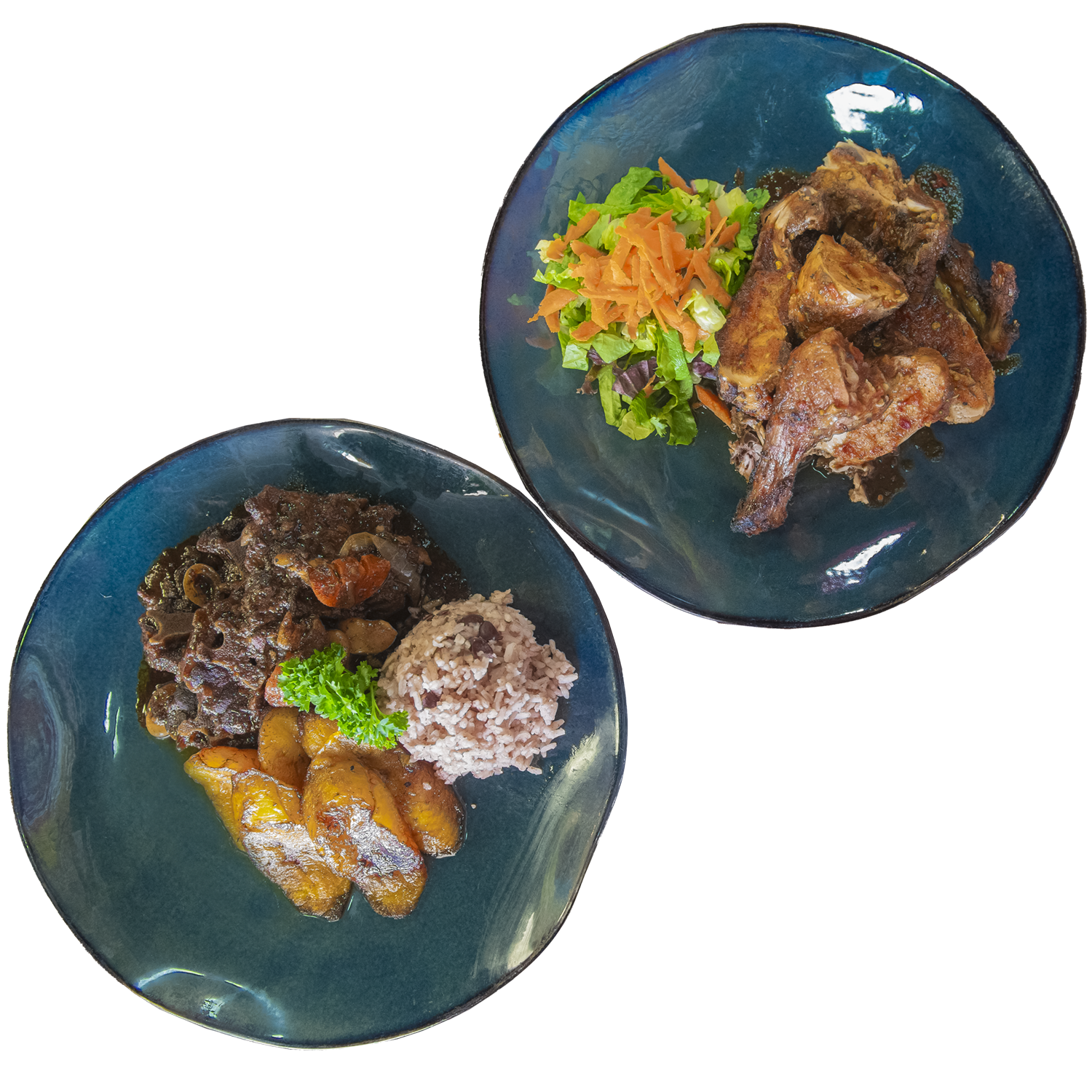
No discussion of beloved Jamaican food can avoid jerk, but it deserves more than shorthand. Too often it gets reduced to “spicy grilled meat.” Real jerk is a method, a philosophy of seasoning, and a specific aromatic profile built around pimento and Scotch bonnet. The roots are commonly linked to Maroon cooking traditions and older Indigenous preservation methods. The details vary by parish and by pit master, but the essentials remain recognizable: heat, smoke, allspice, thyme, scallion, and patient cooking over hardwood or charcoal.
Jerk’s popularity rests on contrast. The exterior can be dark, almost bark-like, while the inside remains moist. The seasoning burns and perfumes at the same time. A good jerk pork has pockets of fat that carry spice deep into the bite. Jerk chicken, usually more common and affordable, offers skin that catches smoke beautifully when cooked right. Festival or hard dough bread on the side can be more than filler. The sweetness calms the pepper and lets the spice bloom rather than bludgeon.
Over the past hundred years, jerk has traveled from localized practice to global emblem. That growth has come with compromises. In many places outside Jamaica, jerk means a bottled sauce and a quick grill mark. Sometimes the pimento is missing. Sometimes the smoke is absent. Sometimes the heat is cranked up without balance. The gap between authentic technique and export version can be wide. Still, the dish’s resilience is impressive. Even when simplified, people chase the original because the original has depth.
Roadside jerk centers have helped keep standards visible. In Jamaica, plenty of people carry a mental map of where the best jerk can be found, and those loyalties run deep. One cook is praised for a wetter marinade, another for stronger smoke, another for the tenderness of the pork shoulder, another for the freshness of the festival. That kind of detailed preference is a sign of a living food culture, not a museum piece.
Rice and peas, the heartbeat on the plate
Rice and peas may not command headlines the way jerk does, but it is arguably the dish that appears most faithfully in the rhythm of Jamaican domestic life. In practice, “peas” usually means kidney beans or gungo peas, depending on the season or occasion. Coconut milk, thyme, scallion, garlic, and Scotch bonnet shape the pot, though every household tweaks the formula. Some like the rice fluffy and separate. Others prefer it slightly moist, almost creamy from the coconut.
Its importance comes from reliability. It pairs with nearly everything, from stewed meats to fried fish to curried dishes. At Sunday dinner, it anchors the table. During holidays, especially Christmas when gungo peas are abundant, it becomes almost mandatory in many homes. A person living abroad can be undone by the smell of rice and peas alone, because the dish carries more than flavor. It carries timing. It says weekend, gathering, family, and enough food for seconds.
Rice and peas also demonstrates one of Jamaican cooking’s great strengths, which is making side dishes matter. This is not neutral starch. It has personality and aroma. When cooked well, it contributes as much to the meal as the main protein. When cooked poorly, everybody notices.
The Sunday stars: stewed chicken, curry goat, and brown stew fish
Ask what regularly appears on a Jamaican family table when there is something to celebrate, and a familiar set of mains emerges. These are not only “most loved” because they taste good. They are the dishes people trust for company.
- Stewed chicken
- Curry goat
- Brown stew fish
- Oxtail
- Fried chicken with gravy
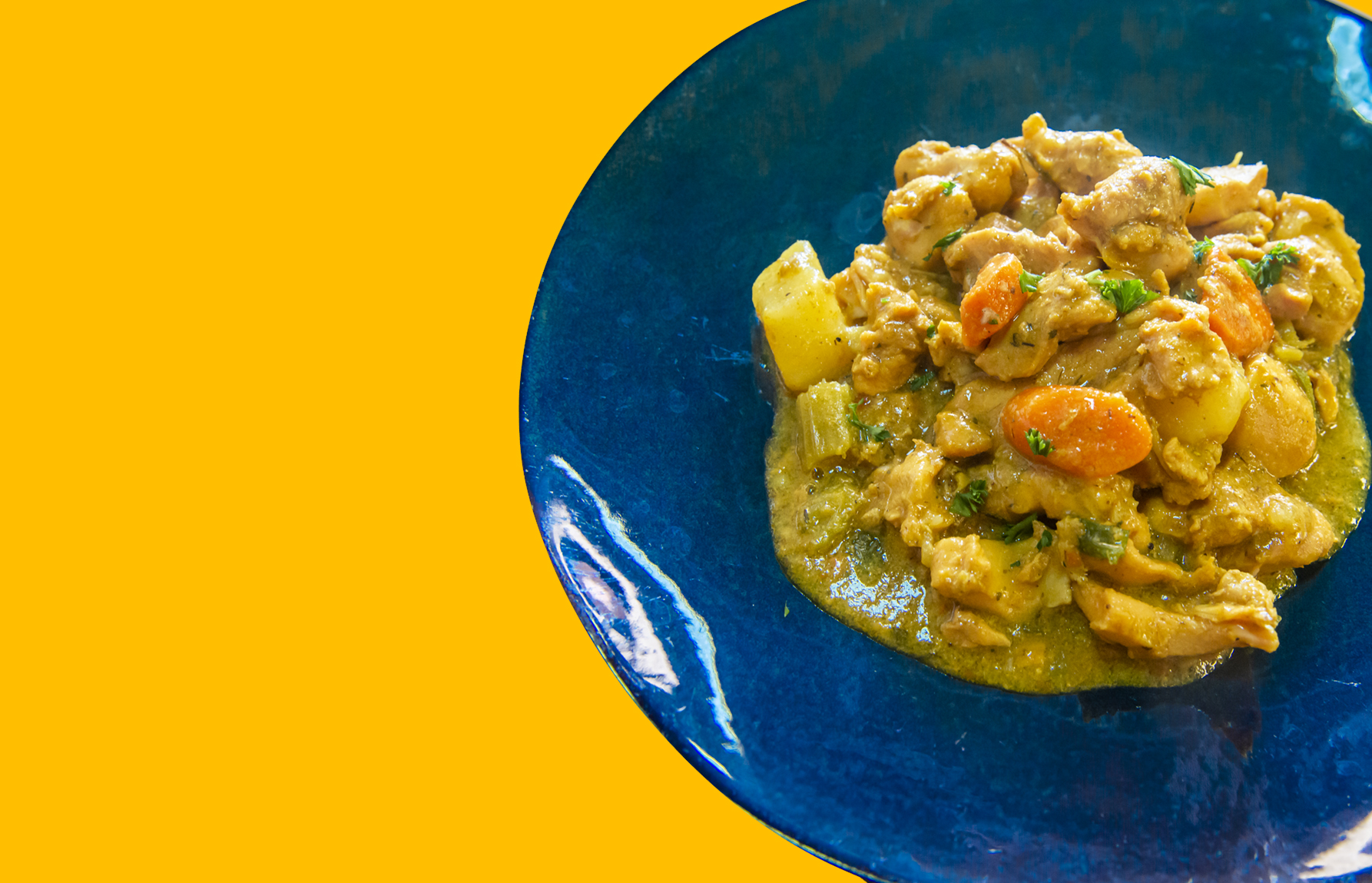
Stewed chicken is everyday excellence. Browning gives it color and a mild sweetness, while thyme, garlic, onion, pepper, and tomato build a gravy that begs for rice. It is accessible, adaptable, and forgiving enough for home cooks while still rewarding skill. The best versions avoid two common mistakes: watery sauce jamaican food centennial and overcooked chicken with no texture left.
Curry goat is more ceremonial. Good curry goat takes time, and the meat should be tender without collapsing into string. Jamaican curry has its own profile, usually more assertive in turmeric and allspice than some Indian regional curries, with Scotch bonnet adding a familiar kick. Potato often joins the pot and serves a real purpose, soaking up flavor and stretching an expensive meat for a crowd. This is classic Jamaican hospitality economics: make abundance out of what you have.
Brown stew fish sits at the meeting point of coast and kitchen. Fresh fish, often snapper when available, is seasoned, sometimes lightly fried first, then simmered in a savory sauce with peppers, onion, and herbs. The fish must hold together, and the sauce must not swamp it. The dish rewards restraint. When done right, it tastes of sea and sauce in equal measure.
Oxtail has become almost glamorous in recent years, partly because rising demand has pushed prices up. In many Jamaican households, though, it was never casual food. It was a richer, slower dish, prized for the gelatinous body of the gravy and the depth developed over long simmering. Beans in the pot, usually butter beans, are more than decoration. They lighten the heaviness just enough.
Fried chicken with gravy might seem ordinary beside these heavier classics, but its appeal is broad for a reason. It gives crunch, spice, and comfort with little ceremony. In canteens and takeout spots, it remains one of the surest sellers.
Patties, coco bread, and the genius of food you can carry
A full account of Jamaica’s favorite foods has to leave the dining table and move into the street. Few items are as beloved, democratic, or consistently useful as the Jamaican patty. It is lunch, snack, school break, travel food, and late-day rescue. The pastry should be flaky, tinted golden from turmeric or curry powder, sturdy enough to hold, yet tender enough to shatter a little at the bite. The filling, traditionally beef but now ranging across chicken, cheese, soy, lobster, and more, should be seasoned boldly because the crust needs a flavorful partner.
The patty’s rise over the last century tracks urban life and commercial baking in Jamaica. It is one of those foods that crossed class lines with ease. Office workers, taxi drivers, students, tourists, and laborers all eat patties, though not always the same kind or from the same place. That universality matters. A nation’s most loved food is often one that meets people where they are.
Pairing a patty with coco bread is a local innovation that deserves more appreciation than it gets. The soft, slightly sweet bread buffers the heat and pastry richness, turning a snack into a meal. It is practical and indulgent at once. So is adding a cold drink, often a sweet soda or a stout for those who like that kind of pairing.
If there is a trade-off in patty culture, it is this: mass production gives consistency and accessibility, while small bakers often bring more character. A handmade crust can have quirks and unevenness, but sometimes those quirks are exactly what people remember.
Ground provisions, breadfruit, and the supporting cast that is never secondary
One of the clearest signs that someone understands Jamaican food is whether they pay attention to the so-called side items. Ground provisions, boiled green banana, yellow yam, cassava, sweet potato, dumplings, and breadfruit are not afterthoughts. They are the architecture of many meals.
Breadfruit in particular tells a rich story about adaptation. Roasted over open flame until charred outside and tender inside, it can stand in for bread, potato, or rice while tasting like none of them. Its texture, somewhere between firm potato and fresh bread crumb, makes it ideal with ackee and saltfish, fried fish, or simply butter. In harder times, it has been an essential filler. In better times, it remains beloved because it is genuinely delicious.
Boiled dumplings reveal how much craft can live inside a simple staple. Too dense, and they sit in the stomach like stones. Too soft, and they disintegrate. The same applies to fried dumplings, where crisp exterior and airy interior are the mark of care. These details matter in Jamaican kitchens. People remember who makes “good dumpling” as readily as who makes good soup.
Soups that feed body and social life
Jamaican soups are serious food. They are not light starters designed to clear the way for a main course. A proper Saturday soup can be the meal. Red peas soup, chicken foot soup, mannish water, fish tea, and pumpkin soup each occupy their own lane, but all reflect a larger principle: long simmering, strong seasoning, and strategic use of starch to build body.
Red peas soup is a masterclass in depth. Beans, salted meat or fresh meat, dumplings, yam, and often coconut milk create a thick, sustaining bowl that can carry a person through the day. Mannish water, with goat parts and a spicy broth, has its own lore at celebrations and late-night gatherings. Fish tea is lighter in appearance but can be deeply savory, especially when made with enough fish head and herbs.
These soups reveal Jamaican frugality in its highest form. Nothing useful is wasted if flavor can still be drawn from it. Bones, feet, trimmings, and provisions become nourishment with dignity. That habit, born partly from necessity, survives because it also happens to produce excellent food.
Fish, festivals, and the coast on a plate
On an island, beloved food must account for the sea. Escovitch fish remains one of Jamaica’s most appealing examples of balance and contrast. Usually made with fried whole fish, then topped with a sharp relish of vinegar, carrot, onion, and Scotch bonnet, it is bright where many other national favorites are dark and rich. The fish should stay crisp enough that the escovitch does not reduce everything to softness. That tension between fry and pickle is the point.
Serve it with bammy or festival and the meal becomes even more distinctly Jamaican. Bammy, made from cassava, has a subtle taste that absorbs fish juices beautifully, especially when soaked lightly and fried. Festival brings sweetness and chew. It is easy to underestimate how much these pairings contribute until you eat the fish alone and feel something missing.
Steam fish, rundown, and curried shrimp also deserve mention, especially in coastal communities. Rundown, often involving fish simmered in reduced coconut milk with herbs and pepper, tastes like a direct line to older Caribbean cooking. It is not always the first dish outsiders seek, but people who know it tend to love it fiercely.
Sweet endings and everyday treats
Jamaica’s most loved foods are not all savory. The island’s sweet repertoire carries its own emotional weight. Rum cake at Christmas is the obvious star, dense and fragrant, often made well ahead so the flavors settle. Gizzada, grater cake, potato pudding, toto, and drops speak more directly to old-fashioned baking and confectionery traditions shaped by coconut, spices, molasses, and root vegetables.
Potato pudding deserves special respect. At its best, it is heavy in the right way, spiced, moist, and baked until the edges darken. Jamaicans sometimes call it “hell a top, hell a bottom, and hallelujah in the middle,” a phrase so vivid it explains both method and expectation. The pudding should have intensity. It is not meant to be shy.
Even beverages deserve a place in this centennial conversation. Sorrel at Christmas, peanut punch, Irish moss, and strong ginger drinks all support the cuisine’s identity. They are often made at home, adjusted to taste, and tied closely to season or occasion.
Change over a hundred years, and what has stayed constant
The last century has changed how Jamaicans eat. Imported foods became more common. Fast food arrived. Tourism encouraged some standardization. Migration sent recipes abroad and brought them back altered. Health concerns changed oil use, sugar use, and portion habits in some households. Restaurant culture expanded in Kingston and resort areas. Social media now turns local specialties into visual trends overnight.
Yet the core of Jamaican food remains remarkably stable because the underlying preferences remain stable. Jamaicans still prize bold seasoning. They still value food that feels substantial. They still judge a cook by consistency, not novelty alone. And they still expect even humble dishes to show care.
There are also useful tensions in the modern scene. Traditional methods can be slow, while modern life pushes speed. Imported meat and produce may be cheaper at times, while local sourcing is more desirable in principle. Some beloved dishes are Reggae Pot Jamaican Grill jamaican food centennial heavy in salt, starch, or fat, and many families now adjust them without wanting to lose authenticity. Good cooks respond with judgment rather than rigid purity. Less salt in the fish, lighter coconut milk in the peas, airier dumplings, more vegetables in the spread, smaller portions of rich meats, these are practical shifts, not betrayals.
The diaspora has added another layer. In London, Toronto, New York, and elsewhere, Jamaican communities kept classics alive under different conditions. Ingredients were substituted, then re-imported as demand grew. Some dishes became more commercial abroad than at home. Others stayed private, cooked mostly for family. This has broadened the meaning of a jamaican food centennial perspective. The nation’s most loved foods now belong to a transnational Jamaican identity as much as to the island itself.
Why these foods endure
The endurance of Jamaica’s favorite foods comes down to more than patriotism. These dishes are technically sound and sensorially persuasive. They know how to use heat, acidity, smoke, starch, sweetness, and fat. They understand texture. They are flexible enough for a weeknight and strong enough for a feast.
More than that, they teach a particular kind of culinary intelligence. Jamaican food makes a virtue of balance without becoming timid. Scotch bonnet is hot, but usually not heat for heat’s sake. Coconut milk is rich, but often checked by thyme, scallion, or pepper. Fried items are paired with pickles or bread. Heavy gravies are lifted by rice, yam, or green vegetables. The cuisine rarely leaves one note standing alone.
That is why the nation’s most loved foods survive changing times. They answer practical needs and emotional ones. They are clever without showing off. They come from hard history but do not taste burdened by it. They taste alive.
A hundred-year view only sharpens that truth. The dishes Jamaicans continue to treasure are not accidental survivors. They earned their place one meal at a time, in kitchens that demanded flavor, value, memory, and pride from the same pot.
Reggae Pot Jamaican Grill
Address: 7562 S University Blvd C, Centennial, CO 80122
Phone number: +13039975623
FAQ About Jamaican Food Centennial
What is typical Jamaican food?
Typical Jamaican food features bold, vibrant flavors created by blending African, Taino, European, and Asian influences.
What is a famous Jamaican dish?
The most famous Jamaican dish is Ackee and Saltfish, which is the national dish of Jamaica.
What are the top 10 foods to eat in Jamaica?
AI Overview The top 10 traditional foods to eat in Jamaica are bold, flavorful dishes that mix local ingredients with global influences.