Jamaican Food Centennial Stories Behind Beloved Traditional Recipes
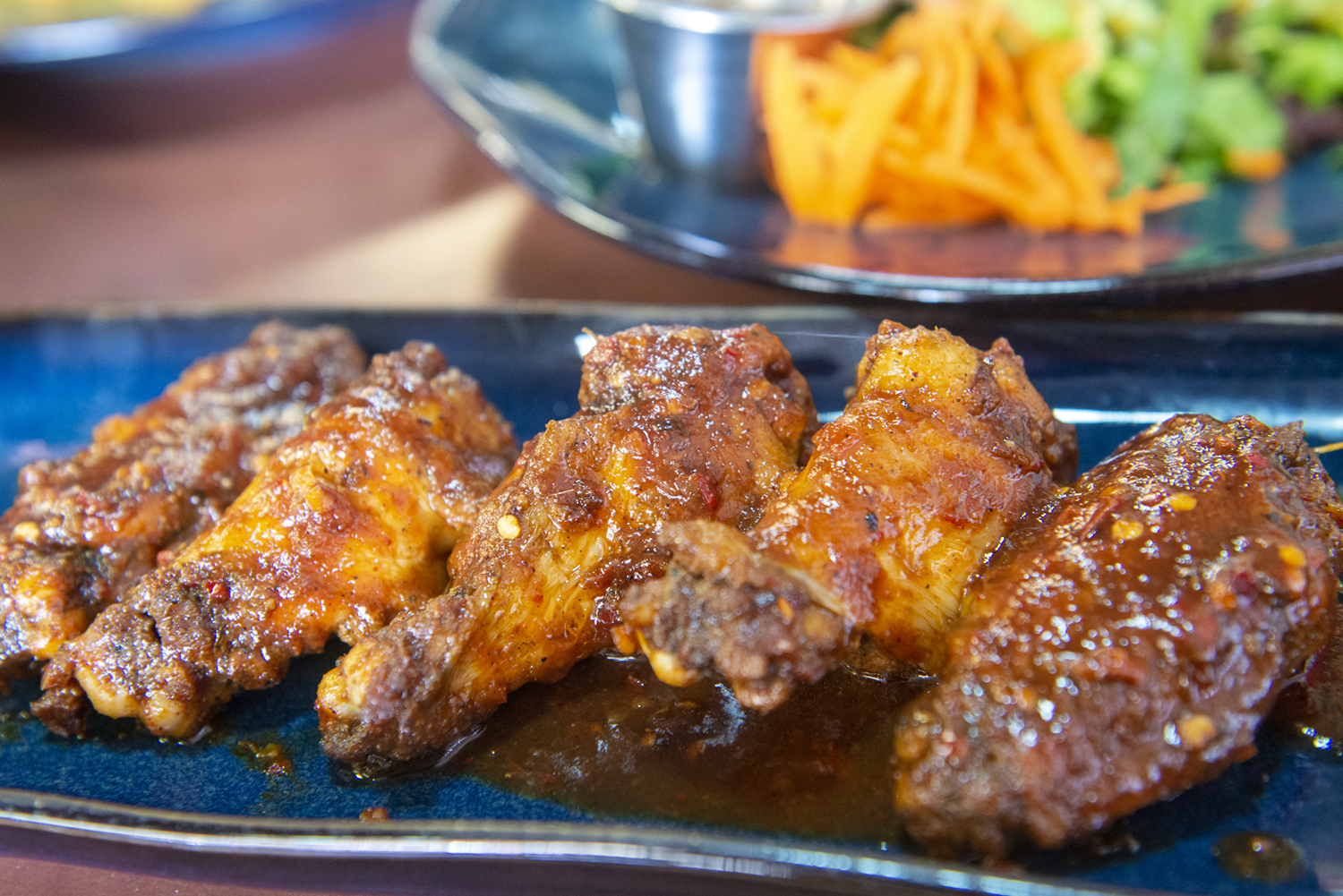
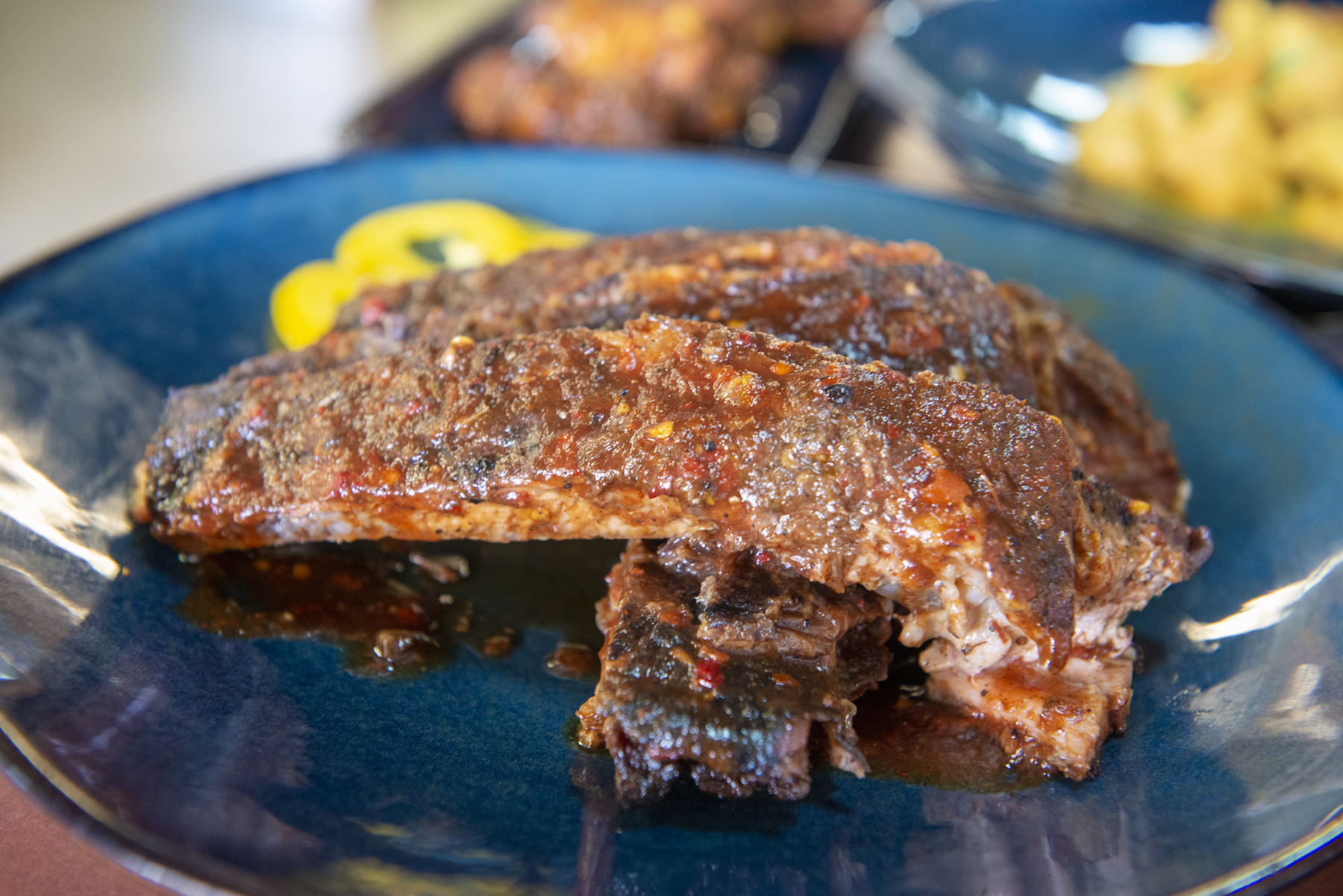
Jamaican food carries memory in a way few cuisines do. A pot of goat simmering with pimento and thyme can call up a grandmother's yard in St. Elizabeth. A slice of bun thick with spice and stout can bring back Easter in Kingston. Even the smell of escovitch fish hitting vinegar and onion has a way of making people stop mid-sentence, smile, and start telling stories.
When people speak about a Jamaican food centennial, they are often reaching for something larger than a date on a calendar. They are talking about a hundred years of family kitchens, market women, cane-field lunches, Sunday dinners, church fundraisers, roadside pans, and recipes that survived because somebody cared enough to keep making them. Jamaican cooking has never been static. It has always absorbed, adapted, and improvised. Yet many of the dishes Jamaicans consider essential still taste anchored to a deeper past.
That tension between continuity and change is where the real story lives. Traditional recipes endure not because they are frozen in time, but because each generation decides they are worth repeating.
A cuisine built from movement, hardship, and invention
No honest account of Jamaican food can skip over the fact that it was shaped by forced migration, colonial trade, scarcity, and resilience. African cooking knowledge sits at the heart of the island's foodways, especially in the use of starches, one-pot cooking, slow braises, pepper heat, and the instinct to season boldly. Indigenous Taíno influence survives most clearly in techniques and ingredients, including cassava and the word "barbacoa," part of the long linguistic road to what became jerk cooking. Spanish and British colonial eras left their own marks. Indian indentured laborers brought curry traditions. Chinese migrants transformed local eating habits through groceries, restaurants, sauces, and practical adaptation.
None of these influences arrived neatly. They collided in kitchens where people cooked with what they could grow, catch, barter, or buy. That matters because beloved Jamaican dishes often come from constraint rather than luxury. Saltfish was durable and affordable. Tough cuts of meat became feasts through marination and slow fire. Ground provisions such as yam, coco, and green banana fed households when wheat bread could not. Pepper, scallion, thyme, ginger, allspice, and onions did more than add flavor. They gave dignity to plain ingredients.
Over roughly the last century, the spread of roads, refrigeration, migration, tourism, urbanization, and packaged goods changed what people ate and how often they made certain dishes. Still, the core logic of Jamaican cooking stayed recognizable. Flavor first. Waste little. Feed plenty. Build a meal that satisfies not just appetite, but company and ritual.
Jerk, from preservation to national shorthand
Jerk is probably the most globally recognized Jamaican preparation, but it is also one of the most misunderstood. Outside Jamaica, it often gets reduced to a bottled sauce or a generic adjective for spicy grilled meat. In practice, proper jerk is a method, a seasoning profile, and a specific relationship to smoke.
The deeper story goes back centuries, but the last hundred years matter because jerk moved from a localized tradition, strongly associated with Maroon communities and rural cooks, into a national and eventually international symbol. Older pit methods used green pimento wood, charcoal, and sometimes corrugated metal or improvised covers to trap smoke. The seasoning was not just heat for its own sake. Scotch bonnet, scallion, thyme, pimento, ginger, garlic, and salt created depth, fragrance, and preservation.
In Portland and Boston, jerk became roadside theater as much as food. Anyone who has stood near a jamaican food centennial jerk pan knows the sequence. First the smoke catches in your clothes. Then comes the hiss of fat. Then the vendor takes a cleaver to the meat with a speed that feels musical. Bread or festival lands beside it, and suddenly a meal that began as practical preservation becomes a kind of public ceremony.
A lot changed over the past century. Chicken largely overtook pork as the everyday jerk choice because it is faster, cheaper, and easier to manage at scale. Urban pans shortened cooking times and made the method more portable. Export markets pushed standardized spice blends. Yet the cooks who do it best still protect a few non-negotiables. Pimento cannot be faked without consequence. Smoke matters. Marination needs time. Sweetness should support the spice, not drown it.
That is the recurring lesson in Jamaican food centennial conversations. Iconic dishes survive commercial success only when someone defends the details that made them iconic in the first place.
Ackee and saltfish, a national dish with a complicated inheritance
Ackee and saltfish tells the island's history on a single plate. Ackee, brought from West Africa, found a home in Jamaica's climate and eventually became inseparable from local cooking. Saltfish, usually salted cod, arrived through colonial trade networks and the economics of preserved food. Together they form a dish that is rich, savory, slightly buttery in texture, and unmistakably Jamaican.
People who did not grow up eating ackee often focus on its novelty, but Jamaicans tend to talk about balance. Proper ackee and saltfish should taste bright with tomato and scallion, fragrant with thyme and black pepper, and neither too wet nor too dry. The saltfish needs to be soaked and boiled enough to lose excess salinity while keeping flavor. The ackee must be handled gently so it does not collapse into mush. This is one of those dishes where the difference between competent and excellent comes down to restraint.
Across the last hundred years, the dish moved from seasonal and household-specific to nationally emblematic. Canned ackee widened access, especially in urban areas and the diaspora. That was a practical development, but it changed texture and sometimes expectation. Fresh ackee, when correctly cleaned and cooked, has a delicacy canned versions rarely match. At the same time, canned ackee made it possible for people living in London, Toronto, New York, and Miami to keep the dish on the table, which is no small thing.
There is also the matter of timing. In many homes, ackee and saltfish is a breakfast, though a substantial one. In others it appears at brunch, lunch, or whenever there is enough company to justify frying dumpling and boiling green banana to go alongside it. Those accompaniments are not afterthoughts. They are part of the dish's rhythm, turning salt, fat, and softness into a complete jamaican food centennial meal.
Rice and peas, Sunday in a pot
Ask enough Jamaicans what Sunday smelled like in their childhood, and many will mention rice and peas before they mention anything else. The phrase confuses outsiders because the "peas" are usually kidney beans or gungo peas, depending on the season and the household. The method, however, is what matters. Coconut milk, thyme, scallion, garlic, Scotch bonnet, and often a little pimento transform rice into something aromatic and quietly luxurious.
Rice and peas is rarely the star of the table, yet it is often the dish that makes the meal feel legitimate. It belongs with chicken, oxtail, curried goat, fried fish, and stewed beef. Its consistency can divide families. Some insist each grain should separate cleanly. Others like it softer, especially when cooked with fresh coconut milk and a little more liquid. Both camps can make a convincing case.
What stands out over a century of home cooking is how often rice and peas signaled occasion rather than extravagance. For working families, Sunday dinner had ceremonial weight. It might be the one meal of the week where everybody sat down, where the better cut of meat came out, where the pot was made large enough for second helpings and Monday leftovers. Rice and peas earned its place there because it stretched resources while still feeling special.
One practical detail tells you a lot about Jamaican kitchens. Many older cooks season the cooking liquid for rice and peas almost as carefully as they would a soup. They taste early. They correct salt before the rice goes in. They bruise the scallion instead of chopping it too fine. They leave the Scotch bonnet whole for aroma unless they want a sharper heat. Those are small acts of judgment, but that is how tradition survives, not by slogans but by choices at the stove.
Rundown, escovitch, and the intelligence of coastal cooking
Jamaica's relationship to the sea produced dishes of impressive precision. They are often described casually, but good fish cookery leaves little room for sloppiness.
Rundown is one of the finest examples. Mackerel rundown, in particular, turns salted or fresh fish into a deeply flavored dish simmered in reduced coconut milk with tomato, onion, thyme, and pepper. The name points to the coconut milk being cooked "down" until it thickens and intensifies. If you rush it, you miss the entire point. Proper rundown is not just creamy. It has concentration, a lightly sweet edge from coconut, and enough salinity from the fish to keep it from becoming heavy.
Escovitch fish tells a different story. Usually made with fried fish, then dressed or topped with a hot, vinegary mixture of onion, carrot, and Scotch bonnet, it carries traces of Spanish pickling traditions while feeling completely at home in Jamaica. It is one of those dishes that improves with confidence. The fish needs crisp skin, but not leathery flesh. The escovitch dressing should bite without overwhelming. Too much vinegar flattens the fish. Too little leaves it dull. This is market food, beach food, holiday food, and serious home food all at once.
These dishes also reveal something about Jamaican thrift. Salted fish, pickling liquids, coconut, and spice all helped extend shelf life or revive ingredients that needed help. Nothing about that is accidental. Traditional recipes often become beloved because they solve practical problems so well that people keep cooking them long after the original necessity fades.
Curry goat and the art of patience
Curry goat has become almost compulsory at celebrations, especially weddings, parties, and large family gatherings. That status can make it seem timeless, but its current form owes much to the last century of cultural blending and public cooking. Indian influence is the obvious starting point, yet Jamaican curry goat is not Indian curry transplanted whole. It is its own dish, marked by local curry powder blends, thyme, scallion, Scotch bonnet, and the island's preference for bold seasoning and thick, clingy gravies.
The mistake inexperienced cooks make is treating goat like a quicker meat. Goat rewards patience and punishes hurry. It needs marination, browning, moisture control, and enough time for connective tissue to surrender. There is also the matter of age. Younger goat cooks faster and tastes milder. Older goat brings stronger flavor but asks for more careful handling. Cooks who know their butcher know this matters.
At community events, the best curry goat often comes from cooks working at scale. Large pots do certain things well. They hold heat steadily. They let seasoning circulate. They create the kind of deep, unified flavor that smaller batches sometimes miss. But scale introduces risk too. Meat can turn stringy if overcooked. Potatoes can dissolve too early. Salt can creep upward as liquid reduces. Experienced cooks stay close to the pot because goat rarely forgives neglect.
The affection people have for curry goat is partly about flavor and partly about association. It is food tied to abundance, noise, music, rented chairs, and people arriving late but expecting a plate saved for them. Over a hundred years, plenty of Jamaican dishes moved between humble and celebratory settings. Curry goat may be the clearest example of a dish that now signals festivity almost on sight.
Patties, portability, and the rise of everyday nationalism
Few foods say modern Jamaica as neatly as the patty. Flaky pastry, turmeric-gold crust, savory filling, enough spice to wake up the mouth without derailing the appetite. It is fast food, bakery food, school lunch, bus-stop food, and nostalgia food. It is also a relatively modern national shorthand compared with some older rural preparations.
The Jamaican patty took shape through several influences, including British pastry traditions, South Asian spicing logic, and local appetites for pepper and assertive fillings. Beef became the standard, but chicken, vegetable, soy, lobster, shrimp, and ackee fillings all found their audiences. Over the last century, patties moved from bakeries and local shops into factory production, frozen export, and diaspora convenience culture.
Mass production made patties easier to get, though not always better. The best patties still depend on contrast. The crust should shatter a little without turning dry. The filling should be moist, but not soupy. Spice should be present from the first bite, not arrive as a cheap afterburn. In Jamaica, the addition of coco bread became its own pleasure, soft against flaky, plain against seasoned.
For many people, patties carry the story of post-independence confidence. They are not ceremonial food, yet they are deeply symbolic. They fit school schedules, urban work life, and migration. They travel well. They comfort quickly. That combination matters in any Jamaican food centennial reflection because it shows how tradition sometimes grows through adaptation to modern pace rather than resistance to it.
Bun, cheese, and the sweetness of ritual
Not every beloved traditional recipe depends on fire and pepper. Jamaican Easter bun, especially paired with processed cheddar, occupies a different emotional register. It is warm spice, dried fruit, molasses or stout, and sticky slices cut for sharing. The pairing may puzzle outsiders, but the salty cheese against the dark sweetness of the bun is exactly why it works.
Older versions of bun trace back to hot cross bun traditions, then evolved locally into something denser, richer, and more heavily seasoned. Over the last hundred years, commercial bakeries standardized many versions, but home bakers kept personal signatures alive. Some prefer more browning. Some use guava jam. Some insist on stout. Others rely on dragon stout one year and switch the next depending on price and availability. Nutmeg, cinnamon, mixed spice, and vanilla all come into play.
What makes bun and cheese notable is the way it turns season into appetite. Jamaican cooking is often discussed through national dishes and all-purpose staples, but seasonal foods tell you just as much about identity. They create expectation. They teach children that a time of year has a taste. That is cultural continuity in one of its strongest forms.
Soups that feed more than hunger
Jamaican soups are meals, medicine, hospitality, and weather reports all at once. Saturday soup remains a living tradition in many places, with pumpkin soup, red peas soup, chicken foot soup, mannish water, and fish tea each holding their own followings. These are not light broths in the European sense. They are engineered to sustain.
Pumpkin soup can range from silky to rustic, thickened by blended pumpkin and bulked out with yam, carrots, cho cho, dumplings, and whatever meat is at hand. Red peas soup brings kidney beans and salted beef or pig's tail into a richer, darker pot. Mannish water has its own reputation, some of it playful, some of it serious, and a very particular constituency among those who grew up around country cookouts and celebrations.
The practical genius of Jamaican soups lies in layering. Starch, meat, aromatics, herbs, and dumplings all release at different rates, creating a pot that tastes like time passed through it. Good soup requires ordering the ingredients properly, because yam can survive where pumpkin will collapse, and dumplings need enough time to cook through without becoming gluey.
A few principles separate memorable soup from merely adequate soup:
- Season the broth before the pot is crowded with starches.
- Add harder provisions first, softer vegetables later.
- Let thyme, scallion, and pimento infuse, but remove anything that turns bitter with overcooking.
- Watch salt closely when using cured meats.
- Rest the soup briefly before serving, if the crowd will allow it.
That kind of knowledge is usually inherited orally. Rarely does someone hand down a perfectly measured recipe. More often they say, "make it look right," "let it cook until it smell done," or "taste it now before you spoil the whole pot." Those phrases may frustrate beginners, but they teach judgment instead of dependence.
The women, vendors, and home cooks who preserved the canon
Recipes endure because people repeat labor. In Jamaica, that labor has often fallen to women, though never exclusively. Grandmothers, mothers, aunts, market sellers, cookshop owners, and church cooks preserved methods long before anyone thought to call them heritage. They knew which yam was dry enough for boiling, which fish held together in escovitch, which cut of goat suited curry, and how much pepper a crowd would tolerate if children were eating too.
Roadside vendors deserve equal respect. The history of Jamaican food is not only domestic. It is public and entrepreneurial. Pan chicken sellers, soup men, patty bakers, and women frying festival by the roadside helped define what everyday Jamaican food tastes like. They also set quality standards. If your jerk was weak or your soup tasted flat, people would say so immediately, and business would drift elsewhere.
One of the most striking changes over the last century has been migration. Jamaicans carried recipes abroad, then adapted them to new climates, new ingredients, and new work schedules. In Britain, North America, and elsewhere, substitutions became common. Scotch bonnet might be harder to find. Fresh ackee might be impossible. Goat might come from a different supplier with a different flavor profile. Yet these adjusted dishes still performed a crucial role. They kept memory edible.
What changes, what should not
No cuisine survives by refusing change. Jamaican food today includes air-fried patties, vegan ital stews, jerk tofu, reduced-salt saltfish recipes, and restaurant tasting menus that reinterpret classics. Some of those developments are thoughtful. Some are gimmicks. Experience helps tell the difference.
A useful test is whether the adaptation understands the original dish's logic. If someone makes a lighter curry goat but preserves the depth of seasoning and tenderness, that is adaptation. If they remove the structure that made curry goat satisfying in the first place, that is only branding. The same goes for jerk with no smoke, rice and peas with no aromatic backbone, or bun without the spice density that defines it.
Traditional recipes are not museum pieces, but they do have internal rules. Those rules come from flavor, texture, climate, and social use. Ignore all of that and you lose more than authenticity. You lose pleasure.
A hundred years at the table
To talk about a Jamaican food centennial is to recognize that beloved dishes are not beloved by accident. They earned their place through repetition under real conditions, through scarcity and celebration, through adaptation without surrender. A recipe survived because it fed workers before dawn, because it stretched across a large family on Sunday, because it sold well at a roadside stand, because it marked Easter, because it tasted of home to someone far from the island.
That is the real centennial story behind Jamaican traditional recipes. Not that they stayed unchanged for one hundred years, but that they remained recognizable while the world around them shifted. The jerk pan got more mobile. The patty got more industrial. Ackee got canned. Curry goat got linked to parties. Soup crossed oceans in memory and technique. Through it all, cooks kept making decisions that honored the old shape of the food even when circumstances demanded something new.
If you want to understand Jamaica, watch what happens when these dishes are served. Conversation loosens. Comparisons begin. Someone says this is how their mother did it, someone else disagrees, and both go back for seconds. That argument, affectionate and exacting, is part of the heritage too. It means the food still matters enough to defend. Over a century, that may be the clearest sign that a cuisine is alive.
Reggae Pot Jamaican Grill
Address: 7562 S University Blvd C, Centennial, CO 80122
Phone number: +13039975623
FAQ About Jamaican Food Centennial
What is typical Jamaican food?
Typical Jamaican food features bold, vibrant flavors created by blending African, Taino, European, and Asian influences.
What is a famous Jamaican dish?
The most famous Jamaican dish is Ackee and Saltfish, which is the national dish of Jamaica.
What are the top 10 foods to eat in Jamaica?
AI Overview The top 10 traditional foods to eat in Jamaica are bold, flavorful dishes that mix local ingredients with global influences.